Community Voices: Angelique - An Introduction, and a Farewell
Community Voices: Angelique - An Introduction, and a Farewell
An Introduction, and a Farewell
I began Community Voices because I kept hearing differing opinions on what is a real or not real Steiner school, which gave me pause for contemplation. I wanted to hear from our community about their journey into Steiner education because each of us carries a voice. The richness of perspectives within our community highlights the well-known paradox in Steiner circles, one that Rudolf Steiner acknowledged, describing schools as "sacred places of childhood" that work from pedagogical impulses and curriculum, while allowing teachers to follow their own personal development and each community to develop in freedom its own unique materials, rhythm and culture.
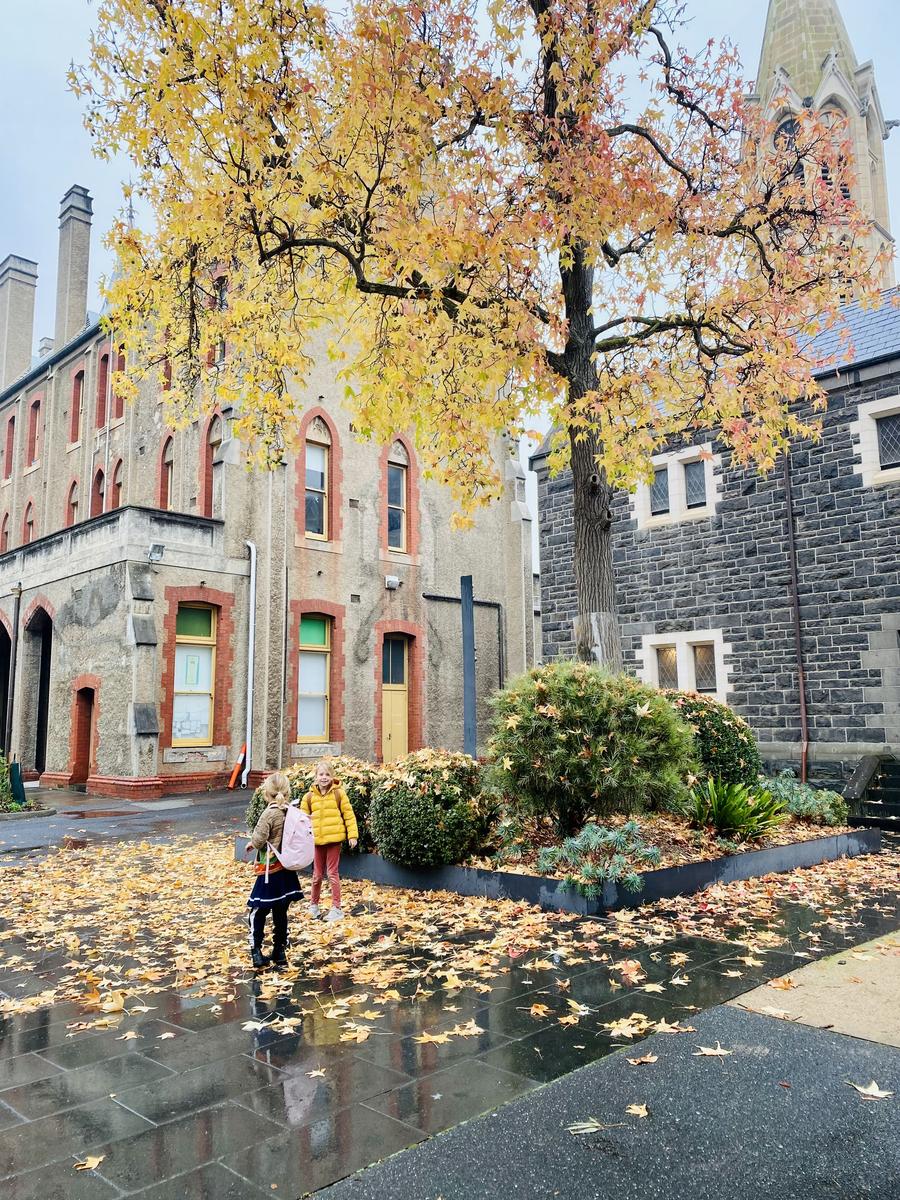
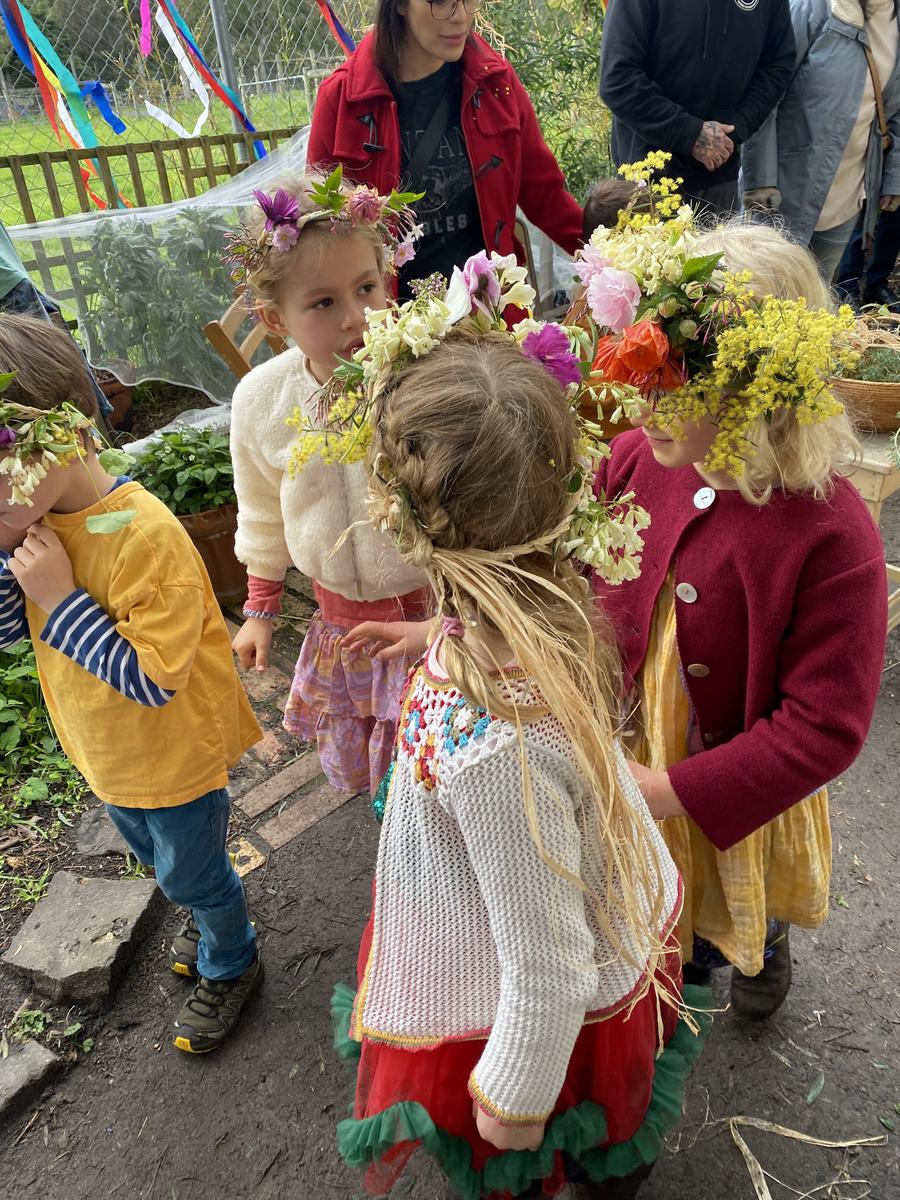
We will leave Sophia Mundi in 2027, to return to Sydney, where Tim and I grew up. Knowing we're leaving has brought a presence to our daily reflection on Melbourne's beauty and community, the wilderness of bike trails, and the incredible privilege we've had being part of Sophia Mundi Steiner School. We could not have hoped for a more perfect and wonderful experience for our children during primary school. The diversity of ethnicities and festivals holds deep meaning for me and my family. The staff and teachers have come to know our children so well, and what a delight it has been to be at a Steiner school that sees and loves each child for exactly who they are. We feel very, very lucky. Sophia Mundi is, without a doubt, a Steiner school. It follows the Steiner curriculum, the incredible crafting, the watercolour, the winter and spring festivals, and the mainlessons, and simultaneously works with the community and these are the common threads that pull all the variations of Steiner education.
I did not come from a Steiner family, nor from a family particularly invested in Steiner education. My mother was Dutch and very young when I was born in the 1970s. She embraced the hippie lifestyle, and we voyaged around Europe in a kombi van, eventually hitchhiking around Australia. It certainly was an era and I experienced it all before I even began school. My very young biological father was not in the picture.
My mother's family’s journey to Australia began with my Dutch Opa, who defended both Indonesia and Australia as a fighter pilot in WWII. He had grown up in Indonesia with his family and before WWII had founded a gentleman’s pilot club which flew to Broome from Indonesia. His father had been the Minister for Education and later the Vice President of the Dutch Indies. Yet, unlike many government officials, my great-grandfather aligned himself with the anti-colonial movement. He advocated for equality and believed in free education for all. He established Indonesia’s judicial schools, officially under the guise of saving money for the Netherlands, but in truth to empower everyone through education, a principle he fiercely believed in. He was part of what was called the “Ethical Course” in colonial policy, which promoted equality in education and welfare. His stance ultimately led to early retirement, but he lived true to his principles.
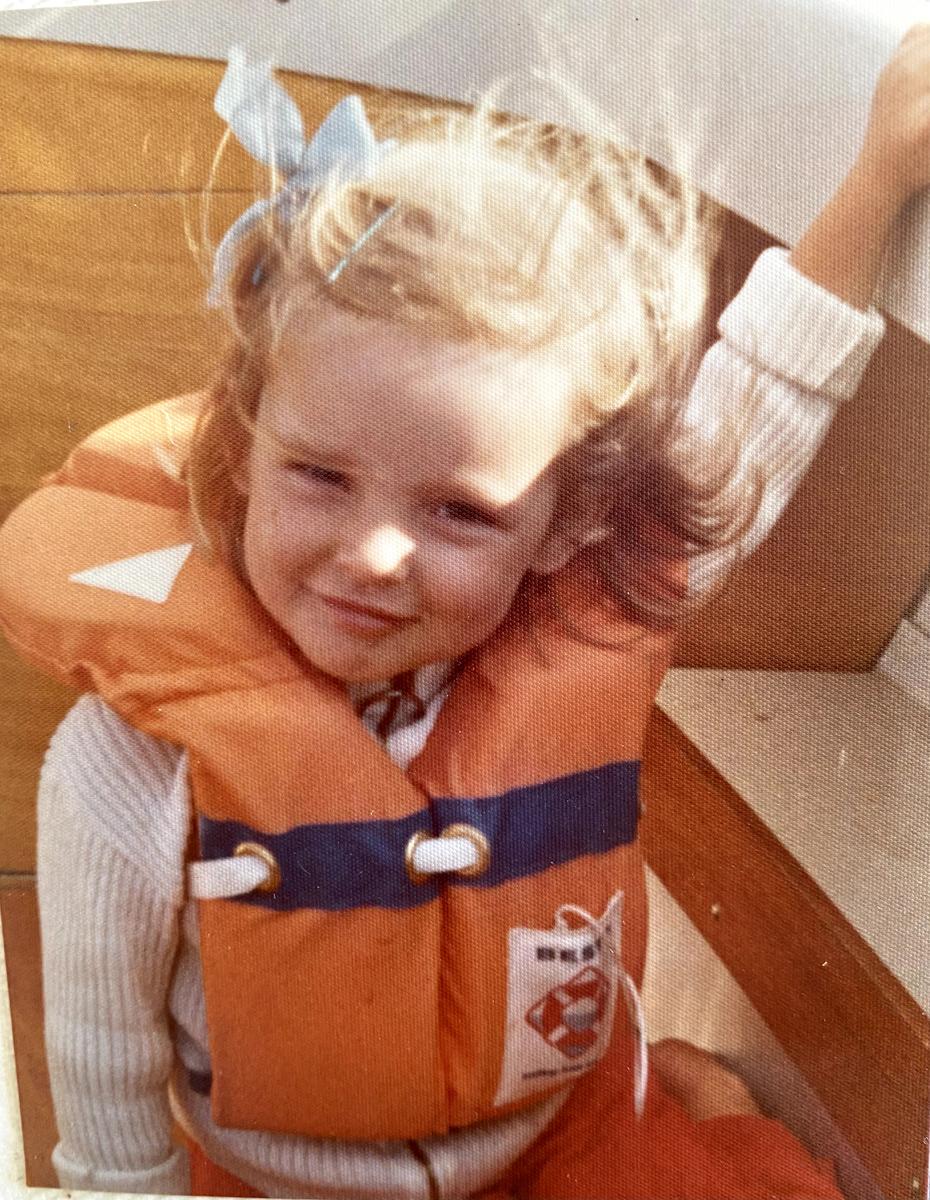
Perhaps this thread of educational idealism was why my mother chose Glenaeon, perhaps it felt closest to Dutch culture. Or perhaps, as a classic 1970s burn-the-bra hippie, she was drawn to the spiritual and folkloric qualities of Steiner education. We attended the Aquarius Festival at Nimbin, Australia’s Woodstock, singing, “This is the dawning of the Age of Aquarius.” The teachers at Glenaeon Rudolf Steiner School, with their long hair and hairy legs, in their socks and Birkenstocks, fit the bill perfectly.
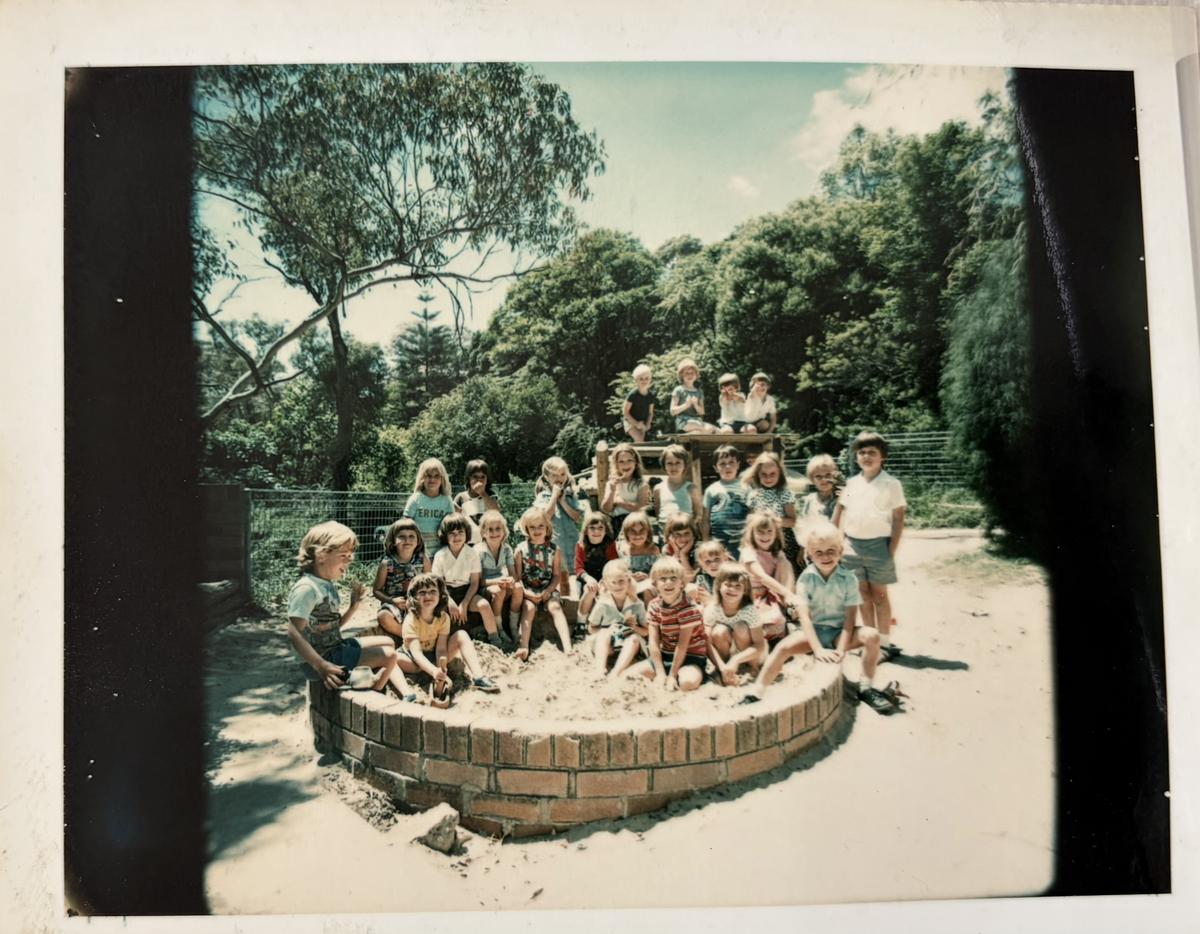
From the moment I touched down at Glenaeon, having so far experienced a very wild ride, I found solid ground. My early years included being sent between London and the Netherlands to live with extended family, as my mother struggled mentally with a brain injury she sustained at her birth due to severe oxygen deprivation. At Glenaeon, I was met with stability, connection, and adults who saw me as worthy of their care, despite being far from a well-behaved child, I had lived a very unrestricted life by the time I landed in Steiner education. In kindergarten I decided the place was not for me and convinced a friend we needed to leave. We packed up our bags and left the school while our class was outside, we escaped and walked to her house to stay until discovered an hour later. Yet despite challenging them constantly, the teachers recognised my need for belonging. By Class Two, I decided that if I ever had children, they would experience this education too.
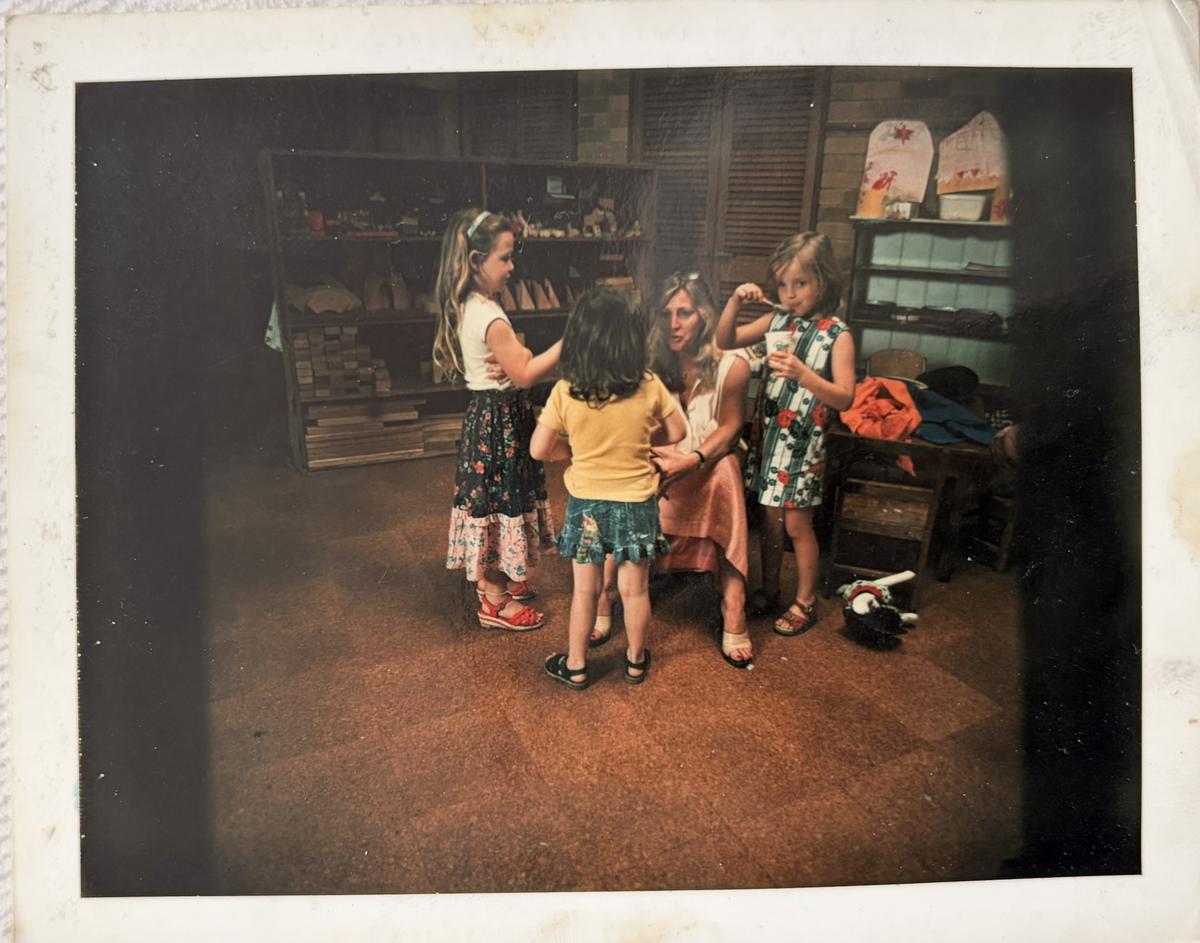
Each day I travelled two hours to and from school by myself from the age of five. Older students looked out for me which was unheard of at other schools where teasing younger students was the norm. My mother’s mental health challenges meant she didn’t manage to get herself to school plays, parent nights, or events. Eventually, the school fees went unpaid but thankfully for me the teachers worked out a way for me to stay without being diverted to the welfare system. I often arrived at school on public holidays not knowing there was no school, and I rarely brought lunch. My friends and teachers brought extra lunches, and if after school I couldn’t find a friend’s home to sleep at, when they’d all go home, I’d seek out clothing donation bins, or cars in car ports that were still warm to sleep underneath. I had already known homelessness as a toddler, living in abandoned houses with my mother, as part of the hippie lifestyle. In reality, her brain injury meant she wasn't equipped, and that path seemed to be returning. With my extended family having long passed, or far away in Europe, Glenaeon became my only security and I decided I was staying put, even on public holidays.
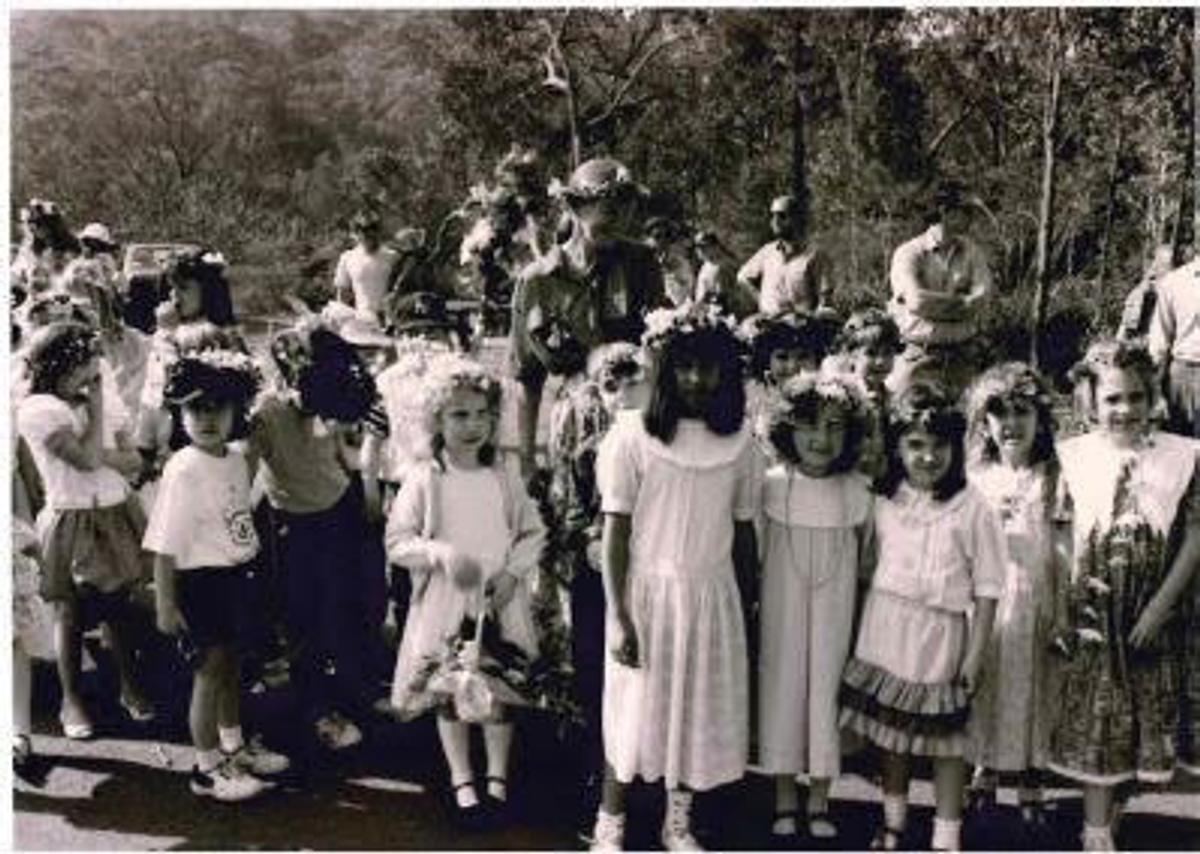
The care of my teachers was absolute. I remember the first time, aged fifteen, I wagged school to go to my boyfriend’s house. Within an hour my teacher, Rosemary Gentle, was at the door bringing me back to school. It was not easy for them. While friends at other schools were still being caned, my teachers were sitting with me, asking about my friendships, my home life, and when I had last eaten. It was Mrs Gentle’s expression that made me realise something wasn’t right when I told her my last meal had been four days earlier. Eventually I moved in with a foster family arranged via the school, which enabled me to finish my education at Glenaeon. It was not an easy transition but to Glenaeon, I came every day. I drank deeply from the curriculum, nourished by arts, crafts, and eurythmy, which I eventually came to understand as profoundly restorative. For me, school itself was a wellbeing workshop. Rudolf Steiner said education should be curative, Glenaeon was exactly that for me. The teachers’ love and care gave me purpose, strength and probably, without being overly dramatic, saved my life. The Steiner pedagogy instilled in me a lifelong belief in purpose based in love, beauty and truth. I cannot separate who I am from my Steiner education, it entrenched itself deeply. It lives in me and continues to guide me in immeasurable ways.
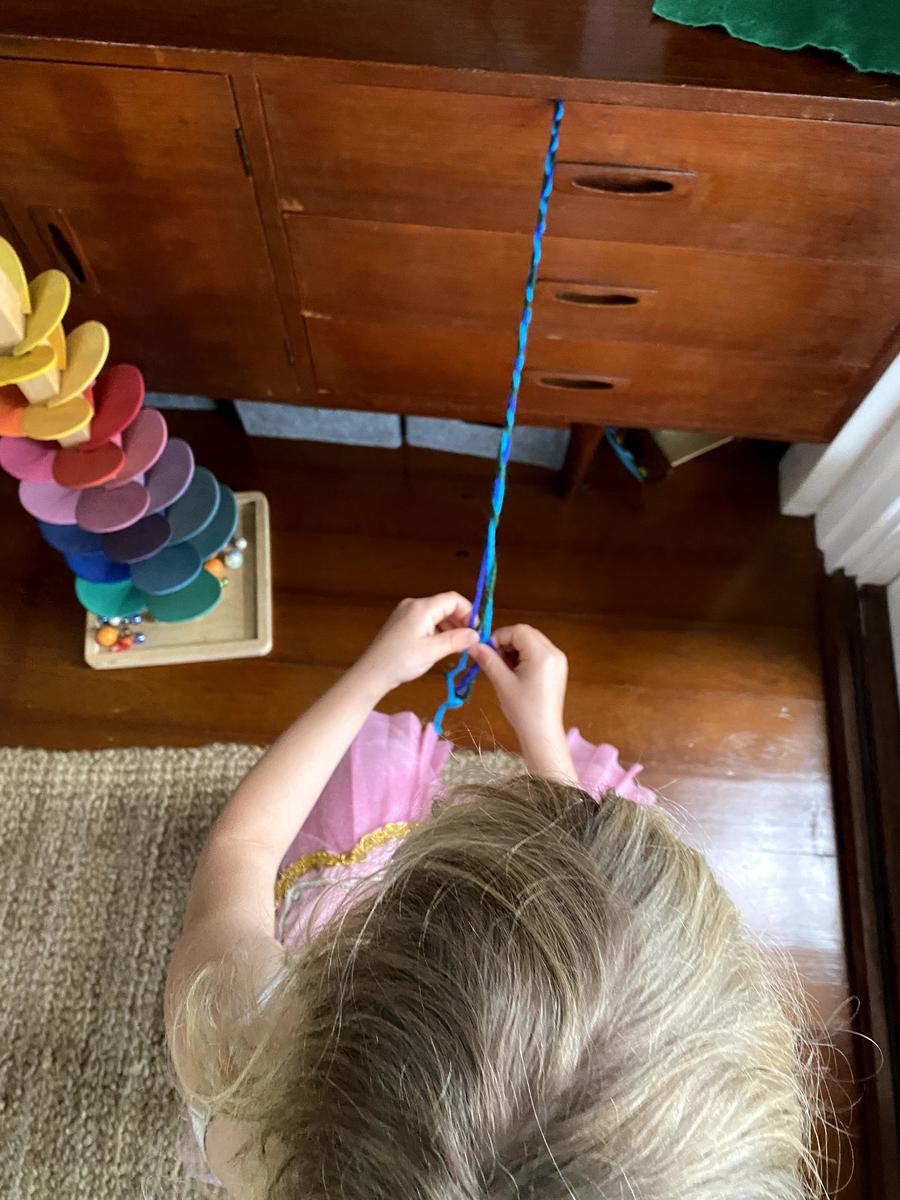
One of the biggest joys that my thirteen years of Steiner education gave me was a love of learning. A common criticism is that children do not start reading or writing early enough; I believe this delay is a bonus. This education gives children their childhood, in full, with all the love and support, and plenty of time and space before they have to enter the adult world. The effect I've seen in my children is the same one I experienced: Formal, academic education is held back with such a protection of childhood that by the time reading and writing is introduced we felt like horses chomping at the bit, so eager to get going. The love of learning, infused with the wonder of the world, has lifelong merit. I have continued to love learning and about to begin my fourth degree, having achieved an award of top of the cohort, so this delay to reading and writing and technology is not an impediment but a gift. As children we knew we were special simpky for being children and that brings a deep sense of magic and purpose, as well as the desire to give back so that other children can also enjoy this incredible journey.
The worst part about Glenaeon? Leaving. Even after I graduated, I returned to the school again and again. I loved my Steiner education. The Parzival main lesson in Year Eleven was a turning point, an eye-opening initiation into the concept of the internal quest as I was about to enter the wider world. In Steiner education, the Parzival myth represents the journey from innocence through questioning to wisdom, themes that resonated deeply with my own path from those challenging early years to finding my way. Funnily, I discovered a German ancestor with the surname Parzival. Whether a meaningful coincidence or poetic destiny, this connection felt profound, like my great-grandfather's principled stance. With Parzival's story as my guide, despite the odds, or because of them, and bolstered by the wholeness my education gave me, I knew that whatever I'd do I would bring a sense of truth, with heart, and the well-rounded skills the curriculum provides, into my journey.
- Angelique Bennett,
Parent to students in Class Four and Six